Dielectric Coating: Protecting Structures from Electrical and Insulation Risks

Dielectric coating

Modern industrial facilities rely on complex electrical systems that operate continuously under demanding conditions. Power equipment, control panels, and conductive surfaces are often exposed to moisture, dust, chemicals, and mechanical stress. When these factors interact with electricity, they increase the risk of leakage currents, corrosion, and equipment failure.

This is where dielectric insulation coatings play an important role. In industrial environments where reliability and safety are critical, this type of insulation is often a necessary part of surface protection strategies.

What Are Dielectric Coatings?

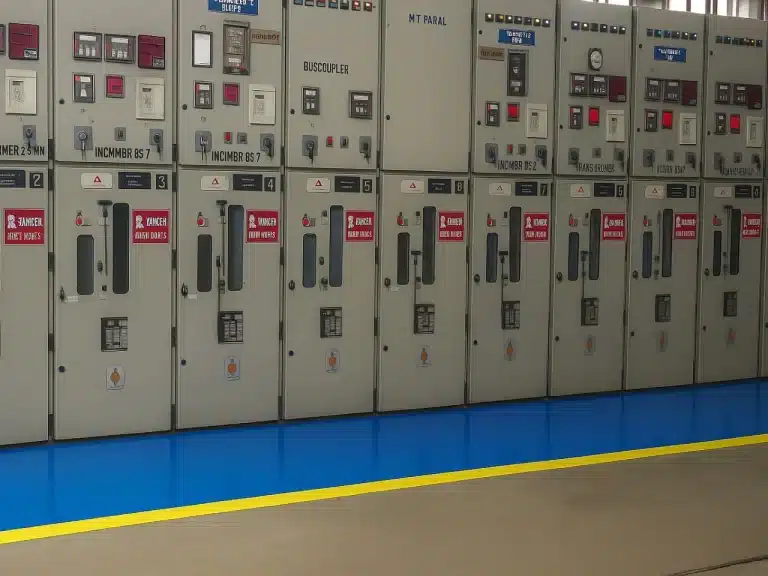
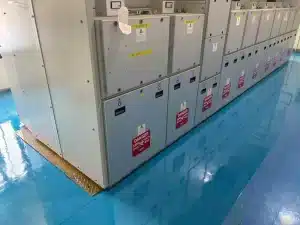
A dielectric insulation floor coating is designed to resist electrical current flow while maintaining mechanical durability. High-performance coatings combine insulation strength with abrasion resistance, chemical tolerance, and long-term adhesion. 

For instance, advanced single component systems can achieve dielectric strength greater than 50 KV/mm, while maintaining strong adhesion with no peeling under ASTM testing.

Additionally, coatings engineered with less than 0.1% porosity and dielectric strength exceeding 3000 volts per 25 microns dramatically reduce leakage pathways.

What is a 1K Dielectric Coating?

A single component dielectric coating is a ready to use insulation material that does not require mixing with a hardener before application.

It forms a hard wearing finish suitable for industrial and commercial areas, while also being UV resistant

Key Technical Highlights

  • Breakdown voltage options: 5 KV and 11 KV depending on thickness.
  • Fire performance classified as UL94 V-0.
  • Resistant to humidity exposure for 1000 hours and capable of withstanding temperatures ≥90°C.
  • Touch-dry time as low as 15–25 minutes, enabling faster project cycles.

What is a 2K Dielectric Coating?

A two-component system combines resin and hardener to create a chemically cured film. These dielectric coatings are typically selected when higher mechanical strength and voltage resistance are required.

For example, high-performance epoxy insulation floors can deliver:

  • Breakdown voltage exceeding 60 KV.
  • Shore D hardness between 85–88, indicating strong surface durability.
  • Compressive strength above 86 N/mm²

Some epoxy variants are even engineered for operating environments up to 200°C, with resistance to acids, alkalis, solvents, oil, and dust.

Advantages of Dielectric Coatings

1. Electrical Safety Enhancement ⚡

Dielectric coating create a non-conductive barrier that prevents unintended electrical current flow. This reduces the risk of electrical shocks, short circuits, and equipment malfunction in industrial environments.

2. Improved Equipment Reliability 🏭

By insulating conductive surfaces, these coatings reduce the chances of electrical leakage or discharge. This helps maintain stable operation of electrical systems and sensitive equipment.

3. Corrosion Resistance 🛡️

Electrical currents combined with moisture can accelerate corrosion on metal surfaces. These coatings limited interaction, helping to extend the service life of equipment and structures.

4. Reduced Maintenance and Downtime 🔧

Protective insulation coatings minimize the risk of electrical faults and corrosion related damage, which reduces the frequency of repairs and operational interruptions.

5. Versatile Application ⚙️

These coatings can be applied to a variety of substrates including metal, concrete, and electrical enclosures, making them suitable for multiple industrial and infrastructure applications.

Conclusion

In modern industrial environments, electrical safety and equipment reliability are closely connected to effective surface protection. Floorkrete dielectric insulation coatings provide a practical solution by forming a non conductive barrier that protects conductive surfaces from electrical leakage, environmental exposure, and corrosion. When properly applied, these coatings contribute to safer operations, longer equipment life, and more reliable electrical systems across a wide range of industrial applications.

1. ELECTROGARD® SLI-5A single component surface coating that provides a durable,hard wearing finish for industrial and commercial areas requiring high performance.The coating is UV resistant, making it ideal for exterior use.

2. ELECTROGARD® SLI-11ElectroGard® SLI is a high performance, single component dielectric insulation coating that protects surfaces from electrical hazards. It forms a seamless, durable finish with excellent adhesion.

3.ELECTROGARD® ELI-500 ElectroGard ®ELI is a durable epoxy floor coating that provides excellent electrical insulation, designed to protect concrete floors and metal plates in electrical, electronics, and communication industries.

4. ELECTROGARD® ELI-1100A high performance, solvent free, two component coating designed for industrial and commercial premises, providing reliable dielectric strength.

5. ELECTROGARD® ELI-2200 Provides a hard wearing floor finish for most industrial and commercial premises, with excellent abrasion resistance and an oil and dust free surface.

6. ELECTROGARD® ELI-3300 Provides a hard wearing, chemical resistant floor finish for most industrial and commercial premises. ELECTROGARD ®ELI-3300 is suitable for temperatures up to 200 °C.

7. ELECTROGARD® ELI-5300 A solvent free, two component epoxy floor coating designed for electrical insulation, providing reliable protection and suitability for temperatures up to 200 °C.

8. ELECTROGARD® EXPOSIL Provides a durable, hard wearing floor or wall finish for industrial and commercial premises where high voltage resistance is required.

9. ELECTROGARD® ELI-8000 A high performance, solvent free, two component epoxy floor coating designed for electrical insulation, offering less than 0.1% porosity and excellent abrasion resistance for durable protection.

10. ELECTROSCREED® A high performance, solvent free, two component electric insulation epoxy floor screed that provides a hard wearing finish where high dielectric voltage breakdown resistance is required.

FAQ:

A dielectric insulation coating is a protective material applied to surfaces to prevent the flow of electrical current. It creates a non conductive barrier that helps protect equipment and structures from electrical leakage and environmental damage.

The dielectric coating used in areas where electrical inasulation is critical like electrical workshop,transfer rooms,power plant and solar panel.

They reduce the risk of electrical leakage or accidental current transfer by forming an insulating layer on conductive surfaces, which helps protect both equipment and personnel.

Yes. Many formulations resist moisture and chemicals, which helps protect metal surfaces from corrosion while also maintaining electrical insulation.

Yes. They are designed to withstand challenging industrial conditions such as humidity, chemicals, temperature changes, and mechanical stress while maintaining insulating performance.

Facebook
Twitter
LinkedIn
anti corrosion coating

RustoBlock S: A Versatile Anti-Corrosion Coating for Metal & Concrete

RustoBlock S: A Versatile Anti-Corrosion Coating for Metal & Concrete Despite various developments in technology over the past few years, corrosion continues to pose significant problems for the construction industry. From roofing sheets, steel structures, pipelines, or concrete, exposure to moisture, oxygen, and other chemicals causes deterioration of materials over

Read More »