Tile Adhesive and Grout: A Complete Guide for Strong and Long-Lasting Tiling

tile adhesive

Tiles are one of the most preferred finishes for floors and walls due to their durability, aesthetics, and ease of maintenance. However, the strength and life of tiled surfaces do not depend only on the tiles themselves; it largely depends on the tile adhesive and tile grout used during installation.

This guide explains everything about tile adhesive, tile grout, epoxy tile grout, and cementitious tile grout in a simple yet technical way, making it useful for both homeowners and professionals.

What is Tile Adhesive?

Tile adhesive is a specially formulated bonding material used to fix tiles onto surfaces like concrete, plaster, or existing tiles. Unlike traditional cement-sand mortar, provides better bonding strength, flexibility, and ease of application.

Why Use Tile Adhesive Instead of Cement Mortar?

  • Stronger bond with tiles and substrate
  • Reduced chances of tile cracking or debonding
  • Faster and cleaner application
  • Suitable for large-format and vitrified tiles
  • Better water resistance

Tile adhesive is available in different types depending on application areas such as walls, floors, wet areas, and heavy-duty industrial zones.

What is Tile Grout?

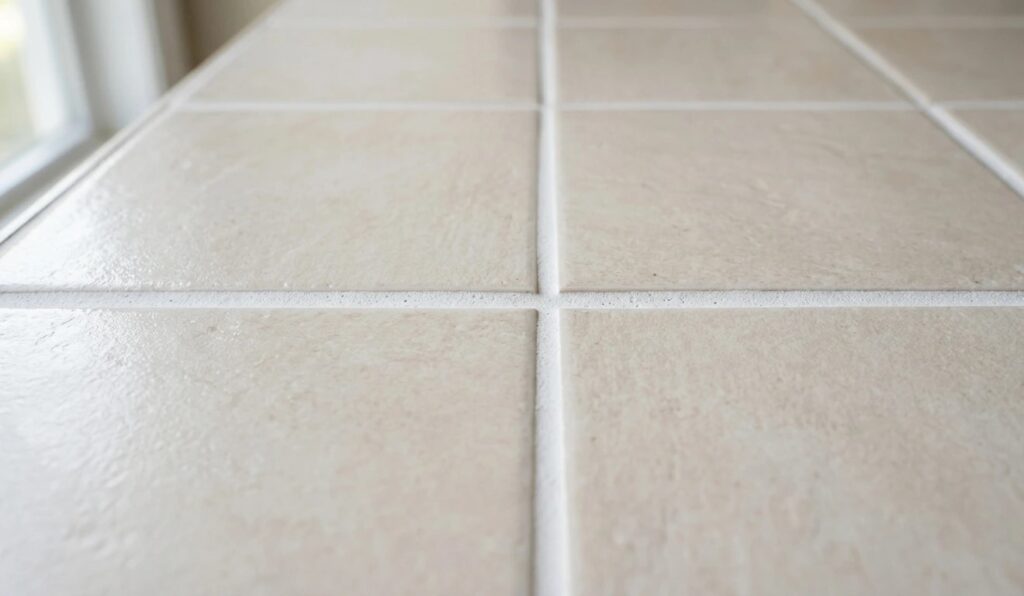
Tile grout is the material used to fill the gaps (joints) between tiles after they are fixed. It plays both a functional and aesthetic role.

Functions of Tile Grout:

  • Prevents water penetration
  • Protects tile edges
  • Enhances overall appearance
  • Provides structural stability to tile layout

Choosing the right tile grout is just as important as selecting the right adhesive.

Types of Tile Grout

Cementitious tile grout is the most commonly used grout, made from cement, fillers, and additives.

Key Features:

  • Easy to use and cost-effective
  • Available in multiple colors
  • Suitable for residential flooring and walls
  • Can be used in dry and moderately wet areas

Limitations:

  • Can absorb water if not sealed
  • May crack over time in high-movement areas

2. Epoxy Tile Grout

Epoxy tile grout is a high-performance grout made from epoxy resins and hardeners. It is known for its superior strength and chemical resistance.

Key Features:

  • Completely waterproof
  • Highly resistant to stains and chemicals
  • Does not crack or shrink
  • Smooth and glossy finish

Limitations:

  • Higher cost compared to cement grout
  • Requires skilled application

How to Choose the Right System

Selecting the right adhesive and tile grout depends on several factors:

Consider These Points:

  • Tile type: Ceramic, vitrified, natural stone
  • Location: Indoor, outdoor, wet area
  • Traffic: Residential or heavy-duty
  • Exposure: Water, chemicals, temperature changes
tile grout

Simple Guide:

For standard home flooring → Tile adhesive + Cementitious tile grout

For bathrooms and kitchens → Tile adhesive + Epoxy tile grout

For industrial use → High-performance adhesive + Epoxy grout

Application Tips for Better Results

  • Ensure the surface is clean and level before applying tile adhesive
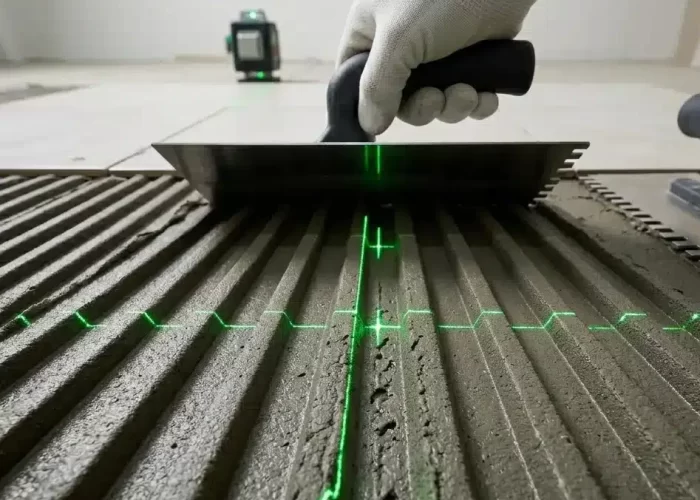
  • Use a notched trowel for uniform adhesive thickness
  • Maintain proper joint spacing between tiles
  • Allow adhesive to cure before applying tile grout
  • Follow manufacturer guidelines for mixing and application

Conclusion

A well installed tile surface is not just about the tiles it depends heavily on the correct use of tile adhesive and tile grout. While cementitious tile grout works well for general applications, epoxy tile grout provides unmatched durability and resistance in demanding environments.

By choosing the right materials and following proper installation practices, you can ensure a long-lasting, crack-free, and visually appealing tiled surface.

FAQs

Tile grout is a material used to fill gaps between tiles and lock them in place. 

Grout prevents water ingress, adds strength, and improves the finished look of tiled surfaces.

Common types include cementitious grout, epoxy grout, and polymer modified grout.

Most grout sets in 24 hours but fully cures in 3–7 days.

Yes, damaged grout can be removed and reapplied. 

Facebook
Twitter
LinkedIn
anti corrosion coating

RustoBlock S: A Versatile Anti-Corrosion Coating for Metal & Concrete

RustoBlock S: A Versatile Anti-Corrosion Coating for Metal & Concrete Despite various developments in technology over the past few years, corrosion continues to pose significant problems for the construction industry. From roofing sheets, steel structures, pipelines, or concrete, exposure to moisture, oxygen, and other chemicals causes deterioration of materials over

Read More »