
The Ultimate Solution for Epoxy Tile Grout and Bonding Mortars for Stronger, Cleaner, Longer-Lasting Tiles: Surefix GT

epoxy tile grout

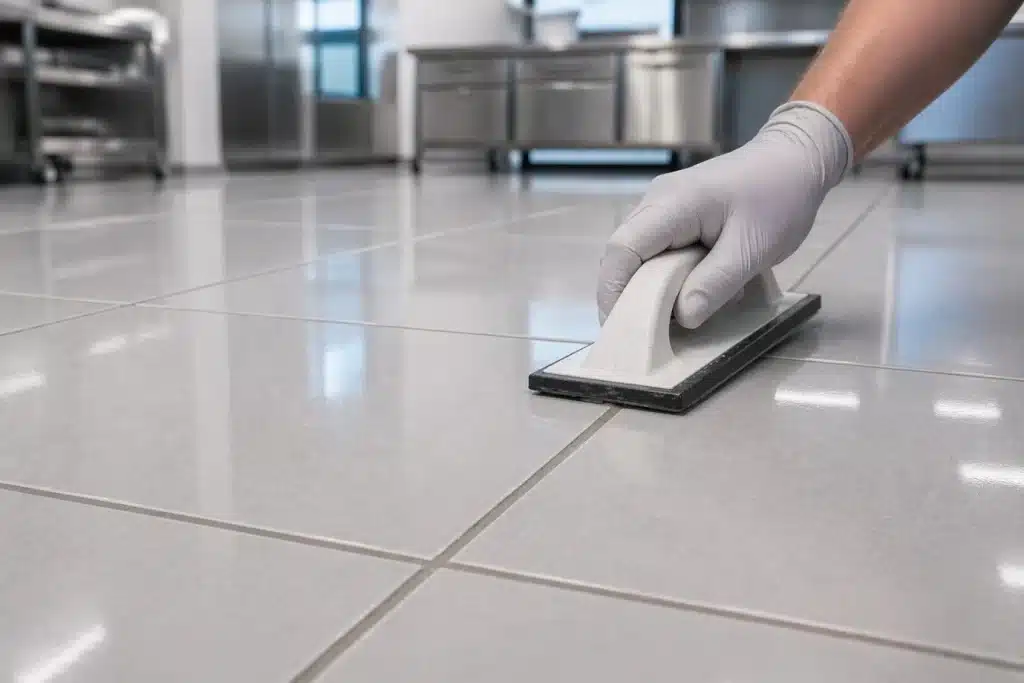
The selection of the grout and the bonding agent for the tile installation is critical in ensuring longevity, cleanliness, and functionality of the installed surface. In domestic kitchens, industrial settings, or even commercial areas, the use of epoxy tile grout and bonding mortar guarantees strength, resistance to stains, and ease of cleaning.

What is Epoxy Tile Grout?

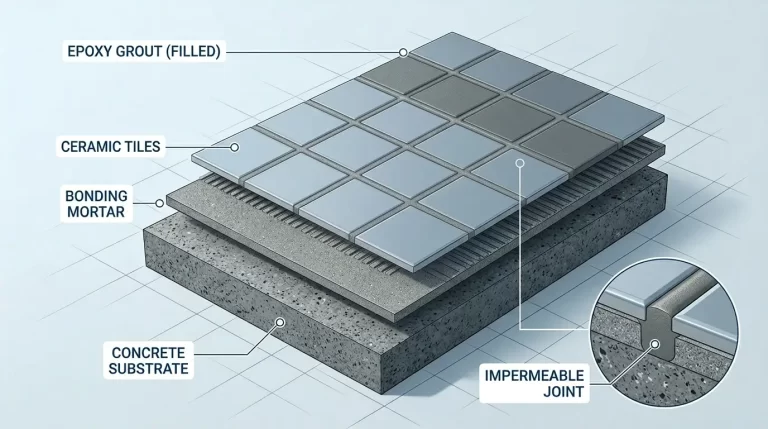
The epoxy grout is a resin type material used to fill gaps between ceramic tiles or stones. It gives better protection against moisture, chemicals, bacteria, and stains compared to conventional cement grout materials.

This grout is made up of two parts as follows:

  • Resin Part (Part A)
  • Hardener Part (Part B)

Its mixture forms a dense, impermeable material that results into a tough, long-lasting joint.

Why Epoxy Grout is Better Than Conventional Grout

The conventional grout is prone to absorbing water, developing cracks, and serving as a medium for bacterial proliferation. In contrast, epoxy grout has various benefits, which include the following:

  • Hygienic and Sterile – Suitable for places where cleanliness is crucial, such as the kitchen, hospital, and laboratory
  • Non-Porous and Impermeable – Restricts the entry of water, soil, and bacteria
  • Resistant to Chemicals – Appropriate for industrial and business premises
  • Dirt Resistant – Maintains its aesthetic appeal in heavily trafficked locations
  • Highly Durable – Forms robust joints resistant to cracking and deterioration
  • Non-Shrink Characteristics – Retains joint stability over time

Uses of Epoxy Tile Grout

Epoxy tile grout is very flexible and can be used on different materials under varied conditions:

Grouting of Tiles and Stones

  • Ceramic tiles
  • Porcelain tiles
  • Granite and marble
  • Slate and natural stones
  • Terrazzo (precast)

Joints Suitable for Different Joint Sizes

  • It can be applied on joints from small to wide joints (generally not exceeding 12 mm)

Ideal Areas of Use

  • Commercial kitchens
  • Food processing units
  • Hospitals and clean rooms
  • Industrial flooring
  • Bathrooms and wet areas

Understanding Stone Grout Performance

In the case of natural stone materials, using the best stone grout prevents stains and discoloration. Epoxy-based grouts are particularly effective because they:

  • They do not migrate colors to sensitive natural stones
  • They have excellent moisture-resistance
  • They maintain consistent aesthetics

This makes them ideal for premium stone installations where both performance and appearance matter.

Role of Bonding Mortar in Tile Installation

Just like grout in stone works, a bonding mortar ensures proper adherence of tiles on the substrate. High-performance epoxy mortars provide:

  • Adherence to concrete and treated surfaces
  • Substrate compatibility even on cement boards and plywood
  • Moisture resistance
  • Chemical resistance and durable without any debonding issues

They are perfect in difficult conditions where other mortars fail.

Important Properties of High-Performance Grouts

The best epoxy grout or bonding mortar offers the following important properties:

    • Smooth and easily workable
    • High impact and abrasion resistance
    • Highly hygienic with antibacterial properties
    • Longevity and easy maintenance

A product like Surefix GT is designed around these performance parameters, offering a balance of workability, durability, and hygiene for modern construction needs.

Conclusion:

Choosing the right epoxy tile grout, stone grout, and bonding mortar can significantly enhance the performance and lifespan of tiled surfaces. From ensuring sterile environments to delivering long-lasting durability, epoxy-based systems are the preferred choice across industries.

At Multichem, solutions like Surefix GT are engineered to deliver superior strength, chemical resistance, and hygienic performance. Whether used as a grout or a bonding mortar, it ensures durable joints, impermeable protection, and long-term reliability—making it an ideal choice for both functional and aesthetic flooring and wall applications.

FAQs

Epoxy tile grout is used to fill joints between tiles and stones, providing a strong, waterproof, and stain-resistant finish suitable for residential, commercial, and industrial spaces.

Yes, epoxy grout offers better durability, chemical resistance, and hygiene compared to cement grout, making it ideal for high-performance environments.

Absolutely. Epoxy-based stone grout is ideal for natural stones as it prevents staining, moisture penetration, and discoloration.

A bonding mortar is used to fix tiles and stones onto substrates like concrete or cement boards, ensuring strong adhesion and long-term stability.

No, epoxy grout is easy to clean and maintain due to its non-porous and stain-resistant nature, making it suitable for hygienic environments.

Facebook
Twitter
LinkedIn
anti corrosion coating

RustoBlock S: A Versatile Anti-Corrosion Coating for Metal & Concrete

RustoBlock S: A Versatile Anti-Corrosion Coating for Metal & Concrete Despite various developments in technology over the past few years, corrosion continues to pose significant problems for the construction industry. From roofing sheets, steel structures, pipelines, or concrete, exposure to moisture, oxygen, and other chemicals causes deterioration of materials over

Read More »

HydroThane Tankgard FG: Food-Grade Polyurethane Waterproofing for Marine & Floating Infrastructure​

HydroThane Tankgard FG: Food-Grade Polyurethane Waterproofing for Marine & Floating Infrastructure With the increasing popularity of coastal infrastructure, floating structures and waterfront construction, there is a growing demand for resilient, flexible and environmentally friendly polyurethane waterproofing solutions. From jetties and marinas to floating resorts and seaplane terminals, structures are constantly

Read More »