The old method of applying a cement layer and hoping it will hold up during the monsoon is outdated. Modern buildings face tougher challenges like temperature changes, chemical exposure, structural movement, and unpredictable weather. As a result, today’s waterproofing focuses on smart application using products with innovative chemistry. Protecting against leaks at the molecular level is now just as crucial. Modern waterproofing has turned into a complex science. It includes crystalline compounds that form within the concrete and high-performance polyurea coatings that can be sprayed on to create seamless, flexible barriers in seconds. And Multichem Group is a leader in developing innovative and eco-friendly waterproofing solutions, made specifically for Indian climatic conditions.
One of the most critical steps in the protection of any structure such as a home, office, industrial/warehouse facility, or major infrastructure project, is waterproofing. Unfortunately, waterproofing is frequently forgotten about until problems arise.Things that begin as minor issues including some dampness or some peeling paint can turn into major issues like corrosion of reinforcement steel, concrete spalling or even structural weakness. Moisture is a quiet enemy which gradually degrades the strength and aesthetics of a building. This factor alone justifies the need to select the correct waterproofing system.
Now let’s briefly go over the main types of waterproofing systems, their basic science, real world applications, and technical properties:
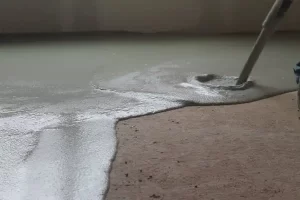
1.Cementitious Waterproofing
Science:
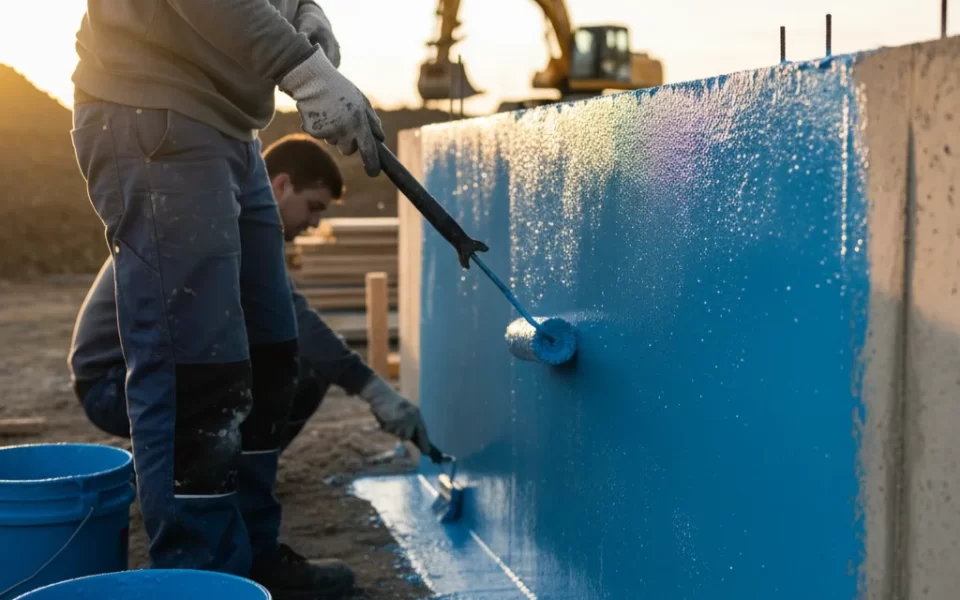
This is the simplest and most common method of waterproofing. It is a combination of cement, polymers, and chemical additives, which results in a thick waterproof layer that fills the pores in concrete.
Uses: It is suitable for interior applications that will not be exposed to light, sun or movement. e.g., bathrooms, basements, underground tanks, and lift pits.
Technical properties:
- Simple application by brush or roller
- Strong bond to concrete and masonry
- Long-lasting, affordable waterproofing solution
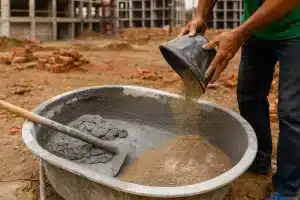
2. Integral Waterproofing Admixtures
Science:
These additives are introduced into concrete when it is being mixed. They chemically alter the pore structure to render the concrete itself waterproof.
Uses: Suitable for all foundations, slabs, podiums, retaining walls, and water-retaining structures.
Technical properties:
- Lowers permeability and absorption of water
- Increases strength and durability
- Provides long-term internal protection
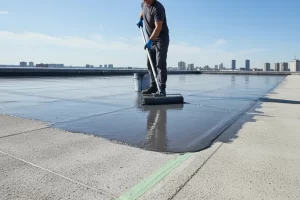
3. Polyurethane (PU) Waterproofing
Science:
Polyurethane (PU) coatings consist of reactive polymers which create a flexible, seamless membrane. They are resistant to water ingress, UV radiation, and thermal expansion.
Uses: It is used mainly for waterproofing terraces, roof decks, metal surfaces, and exposed concrete roofs.
Technical properties:
- Great crack-bridging
- High flexibility and adhesion
- UV resistant and weather resistant
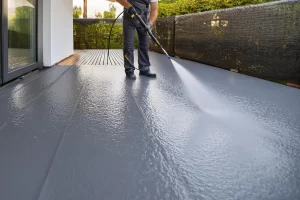
4️. Polyurea Waterproofing
Science:
Polyurea is considered one of the most cutting-edge waterproofing systems. When two liquid components react with one another, you will get an elastic, seamless coating that is mobile, durable, and resistant to extreme weathering, including foot traffic and UV lights.
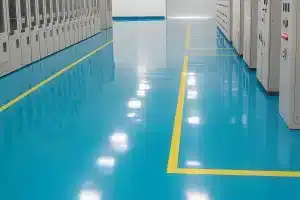
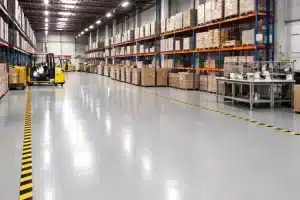
Uses: Often used in tunnels, roofs, bridges, industrial flooring, or storage/savings tanks where speed and performance are key.
Technical properties:
- Allows for ultra-fast curing — walkable within minutes
- Exceptional elasticity and chemical resistance
- Provides a seamless finish — no joints
 Quick Facts: Polyurea cures in 10 seconds and can even be applied in humid conditions.
5️. Silane / Siloxane Waterproofing
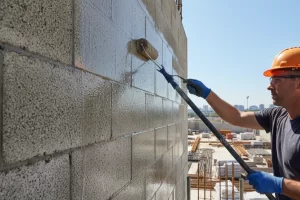
Science:
These are penetrating sealers that form a chemical bond to the substrate and create a water-repellent layer within the pores while still allowing breathability.
Uses: Most appropriate for facades, brickwork, stone walls, and other heritage buildings.
Technical properties:
- Barrier is invisible and breathable
- Protects from efflorescence and algae
- Prolonged resistance to moisture entry.
6️. Elastomeric Waterproof Coatings
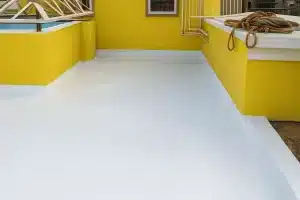
Science:
Elastomeric coatings are flexible, high-build films that stretch with the substrate to bridge cracks and help prevent water from penetrating the surface.
Uses: Commonly installed on exterior walls, terraces and roofs that move thermally
Technical properties:
- Ten times thicker than ordinary paint
- UV and weather resistant
- Flexible and durable finish
7. Crystalline Waterproofing
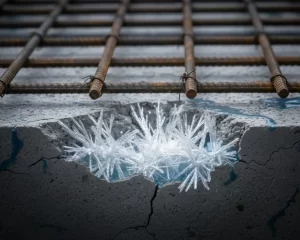
Science:
Crystalline waterproofing systems employ active chemicals that migrate throughout the concrete and grow crystals in micro-pores and cracks, effectively blocking the migration of water permanently.
Uses: Best suited to basements, below grade, retaining walls, and foundations.
Technical properties:
- Provides permanent self-healing for microcracks
- Brings intrinsic protection through the concrete.
- Enhances concrete strength.
Quick Facts: Crystalline waterproofing can heal cracks up to 0.4 mm.
8️. Polymer-Modified Waterproofing
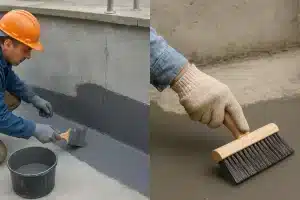
Science:
It combines cement with polymer mixes such as SBR or acrylic emulsions to improve flexibility, adhesion, and watertight properties.
Uses: Perfect for wet areas, terraces and balconies, and repair.
Technical properties:
- Flexible two-part system.
- High crack resistance and adhesion.
- Compatible with concrete and mortar surfaces.
9️. Prefabricated Membrane Waterproofing (HDPE, SBS, PVC)
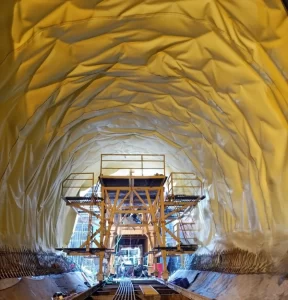
Science:
Factorygrade waterproof membranes are made from material such as HDPE, SBS-modified bitumen and PVC. They are applied using torches, heat-welded, or bonded with adhesive.
Uses: Fits basements, tunnels, continuous hydrostatic pressure retaining walls and tanks.
Technical properties:
- Consistent thickness, very durable
- Chemically resistant, puncture resistant
- Easy to install and inspect
Quick Facts: HDPE membranes can provide waterproofing for decades in underground settings.
10. Injection Grouting Systems
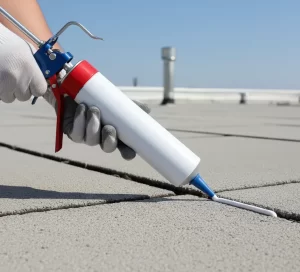
Science:
Involves injecting low-viscosity materials such as epoxy, polyurethane, or colloidal silica into cracks, voids, or leaking joints to seal and restore structural integrity.
Uses: Ideal for leaking basements, tunnels, retaining walls, and dams.
Technical properties:
- Penetrate fine or low tension cracks.
- Rebuilds structural integrity
- Allows sealing leaks permanently
Quick Facts:
- More than 70% of repair work on structures in India is due to waterproofing failures.
- Just a single crack that is only 0.1 mm( in size) can allow several liters of water to pass through a structure if untreated or not repaired with a material like injection grout or similar solutions
How Multichem Group Leads in Waterproofing Innovation?
For over three decades, Multichem Group has been at the forefront of construction chemicals and waterproofing solutions in India. What sets Multichem apart is its chemistry-driven innovation, sustainability, and system-based approach ensuring long-lasting protection in diverse conditions, from tropical monsoons to industrial exposure.
What Makes Multichem Different?
- Complete Range: From primers to coatings, Multichem offers every waterproofing system under one roof.
- In-House R&D: Custom formulations engineered for Indian climate and substrates.
- Sustainability First: Low-VOC, environment-friendly coatings and admixtures.
- Proven Performance: Trusted across infrastructure, commercial, and residential projects worldwide.
 People Also Ask
Q1. What type of waterproofing is recommended in terraces?
 Polyurethane and elastomeric coatings are ideal for terraces as they handle thermal expansion and UV exposure.
Q2. What is the most durable waterproofing method?
Spray-applied polyurea waterproofing offers unmatched durability and speed of application.
Q3. Which waterproofing method is best for basements?
A combination of HDPE membranes, hand applied polyurea for wall, injection grouting, or crystalline admixtures works best.
Q4. Is there eco-friendly waterproofing available in India?
Yes, Multichem Group’s low-VOC and sustainable polymer coatings are eco-friendly and long-lasting.
Q5. What is the difference between Polyurea and Polyurethane waterproofing
Polyurea is fast curing and tougher; Polyurethane is more economical and easier to apply
Conclusion
Modern waterproofing techniques are designed to suit diverse application areas from bathrooms, basements, and water tanks to terraces, podiums, tunnels, and retaining walls. Each system has a specific purpose: cementitious coatings and integral waterproofing admixtures seal concrete pores; polyurethane and polyurea coatings provide flexible and durable protection for exposed surfaces; crystalline systems waterproof from within; pre-fabricated membranes create long-term physical barriers; and injection grouts restore cracked or leaking concrete. Together, these technologies form a complete defence against water ingress, corrosion, and deterioration.
Multichem Group brings all these technologies together through its extensive, high-performance waterproofing portfolio. The MULTIGUARD range covers cementitious and integral waterproofing, while MULTIGUARD In-Depth delivers crystalline protection for deep concrete durability. Hand-applied polyurea systems under Armourthane, Multithane, and Ultrathane, along with Armourtuff spray-applied polyurea which provide seamless protection layer. In polyurethane coatings, Flexithane and Hydrothane are used to ensure flexibility and crack-bridging behavior. Hydrofab offers robust HDPE preformed membranes, and Primegrout, Multigrout, and Hydrofom grouts deliver reliable repair solutions. Backed by strong R&D and sustainable chemistry, Multichem Group continues to redefine sustainable waterproofing and construction chemicals.