
Chemical Resistance Flooring: Protecting Industrial Surfaces from Aggressive Chemicals

Understanding the Need for Chemical Resistance Flooring

In chemical plants, battery rooms, pharma units, and processing facilities, chemical resistant flooring determines operational reliability, safety compliance, and maintenance cost. This guide translates technical specifications into real-world evaluation insights for professionals ready to compare solutions and select a system.

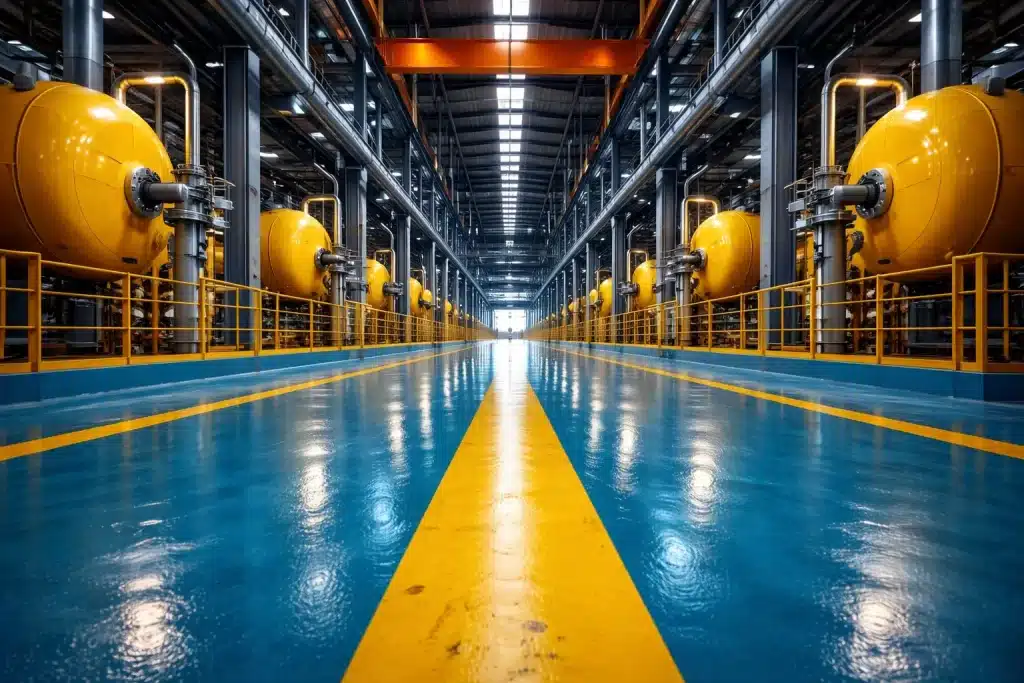
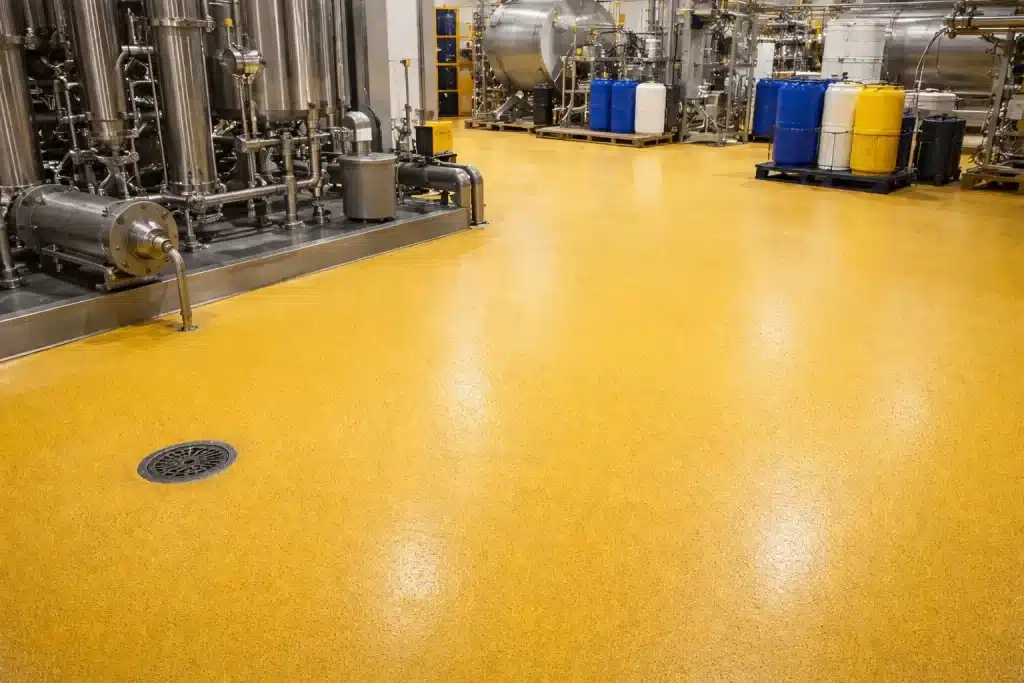
Industries such as chemical processing plants, battery manufacturing units, food processing facilities, and wastewater treatment plants rely on specialized flooring systems to maintain safe and durable working environments.

Chemical resistant flooring

What Makes Chemical Resistance Flooring Different

Unlike traditional floor coatings, chemical resistance flooring systems are formulated using high-performance resins, curing agents, and engineered fillers. These components work together to create a dense, non-porous surface that prevents chemicals from penetrating the concrete.

Importance of Proper Surface Preparation

The performance of any chemical resistance flooring system depends heavily on how well the substrate is prepared before installation.

Professional flooring installation typically involves:

    • Mechanical surface preparation using grinding or shot blasting
    • Removal of contaminants such as oil, dust, or laitance
    • Moisture testing of the concrete substrate
    • Application of a suitable primer to improve bonding

Thickness and System Design Considerations

Different industrial environments require different flooring system thicknesses. The selection depends on factors such as chemical exposure, mechanical load, and expected service life.

For example:

  • 2–3 mm systems are often used for moderate chemical exposure and light traffic areas.

  • 4–6 mm heavy-duty screeds are preferred for areas exposed to strong acids, solvents, or heavy industrial movement.

Protection Against Acids, Alkalis and Solvents in Industrial Flooring

Acid Resistant Flooring

Industrial environments such as chemical plants, battery manufacturing units, and metal processing facilities often handle strong acids. When acids come in contact with untreated concrete, they can gradually break down the surface and weaken the structure. Acid resistant flooring systems are designed to create a protective barrier that prevents acids from penetrating the concrete.

Alkali Resistant Flooring

Alkaline substances are commonly found in cleaning chemicals, detergents, and certain industrial processes. These chemicals can react with concrete surfaces and cause gradual deterioration over time. Alkali resistant flooring systems help protect the substrate by forming a dense, non-porous surface that reduces chemical absorption.

Solvent Resistant Flooring

Solvent resistant flooring systems are specially formulated to withstand exposure to organic chemicals and industrial solvents. Solvents are widely used in industries such as pharmaceuticals, paints, coatings, and chemical processing. These liquids can dissolve or soften many conventional flooring materials, leading to surface damage or coating failure.

Choosing the Right Flooring System

Selecting the appropriate chemical resistant flooring system requires understanding the type of chemicals present in the facility. Different formulations are designed to withstand specific substances such as acids, alkalis, solvents, or oils.

Consulting chemical resistance charts and working with experienced flooring specialists helps ensure the selected system is suitable for the intended environment.

A properly designed flooring solution not only protects the structure but also supports efficient and safe industrial operations.

Performance Value Over Lifecycle Costs

Buyers often compare flooring systems by price per square meter. Experienced project owners evaluate cost per service year.

Higher-grade acid resistant flooring typically provides:

  • Longer maintenance intervals
  • Reduced repair material consumption
  • Lower downtime losses
  • Higher operational reliability

Where These Systems Deliver Maximum ROI

High-performance chemical resistant flooring is most valuable in:

  • Chemical and petrochemical plants
  • Wastewater treatment facilities
  • Battery storage and production areas
  • Metal treatment plants
  • Food processing zones exposed to chemicals

In these environments, flooring is a protective system, not a finishing layer.

Floorkrete Chemical Resistant Flooring: Engineered Epoxy Systems for Demanding Environments

FloorKrete® offers specialized solutions is engineered to perform in chemically aggressive environments.In addition, the FloorKrete® portfolio includes a comprehensive epoxy range designed to deliver durable, high-performance acid resistant flooring systems suitable for diverse industrial applications.

    • FloorScreed® EP(R)-5332 – A heavy-duty epoxy screed (2–6 mm thick) designed for chemical resistant floors. It withstands alkalines, dilute acids, solvents, salts, oils, fats, and acidic food products, while delivering durable, wear resistant performance for industrial areas with heavy traffic.
    • FloorScreed® EP(R)-5333- A 4–6 mm heavy-duty epoxy screed designed for concentrated acid- and chemical-resistant flooring. It resists strong chemicals such as sulfuric acid, sodium hydroxide, nitric acid, solvents, and alcohols, making it ideal for industries exposed to frequent acid attack.
    • FloorScreed® EP(R)-5341– A chemical resistant floor screed designed for areas with frequent acid and solvent exposure. It protects against spills of sulfuric acid, hydrochloric acid, sodium hydroxide, and other aggressive chemicals, making it ideal for demanding industrial environments.
    • FloorScreed® EP(R)-5341A- A 4–6 mm heavy duty epoxy screed for chemical-resistant flooring, built to withstand concentrated acid spills including 98% sulfuric acid and 37% hydrochloric acid. Designed for long term durability in harsh industrial environments.
    • FloorScreed® EP(R)-5342– A 4–6 mm heavy-duty epoxy screed for industrial chemical-resistant floors. It offers strong durability and resists water spots and a wide range of chemicals, including solvents, acids, alkalis, and hypochlorites.
    • FloorScreed® NE-5344Novolac epoxy flooring is a high performance, chemical-resistant system built for harsh industrial environments. Provides long-lasting protection against aggressive chemicals, including 98% sulfuric acid, 30% nitric acid, and glacial acetic acid.
    • FloorCem VE- Ester based flooring is a high performance. FloorCem VE  is engineered for for extreme chemical resistance.

FAQ:

Chemical resistant flooring is a protective flooring system designed to withstand exposure to acids, alkalis, solvents, and other aggressive chemicals without damage.

Many epoxy flooring systems provide good chemical resistance. Specialized epoxy or novolac formulations are often used where stronger protection is required.

High-performance systems are designed to resist aggressive chemicals including sulfuric acid, nitric acid, and hydrochloric acid.

Routine cleaning and periodic inspection help maintain the flooring surface and extend its service life.

It is widely used in chemical plants, pharmaceutical facilities, food processing units, battery rooms, and wastewater treatment plants.

Facebook
Twitter
LinkedIn
polyurea waterproofing

Industrial Waterproofing Systems: Complete Guide to Waterproofing Products for long term performance

Industrial Waterproofing Systems: Complete Guide to Waterproofing Products for long term performance Imagine investing millions into an industrial facility only to see cracks, leaks, and corrosion appear within a few years. The culprit here is Inadequate waterproofing. In high-performance environments, the right waterproofing solutions can make the difference between durability

Read More »