Beyond Waterproofing: The Role of HDPE Membranes in Protecting Critical Infrastructure

hdpe membrane

In high value infrastructure and real estate development, waterproofing is no longer a finishing trade. It is a structural risk management strategy. When failures occur due to below grade materials, the cost is not limited to repair.

Advanced waterproofing systems and waterproofing products like HDPE membranes have emerged as high performance driven solutions, particularly for basements, podiums, tunnels, water-retaining structures, and high water table zones.

How HDPE Membrane Systems Redefine Waterproofing Reliability

Integral Bonding – Eliminating Water Migration

Unlike conventional loose-laid membranes, advanced HDPE membrane systems form an integral seal with poured concrete.

In traditional systems, water can track between the membrane and concrete, especially in hydrostatic conditions. The bonds continuously to fresh concrete, preventing lateral water migration – even in settlement scenarios.

What This Means Structurally:

  • High elongation accommodates future crack development
  • Strong puncture resistance withstands reinforcement placement stress
  • Hydrostatic resistance supports deep basements and high water tables
  • Freeze-thaw durability protects structures in extreme climates

For metro projects, tunnels, and marine structures, chemical resistance to salts, sulphates, acids, and alkalis further strengthens durability

Designing for Execution Excellence

Performance on paper means nothing without site practicality.

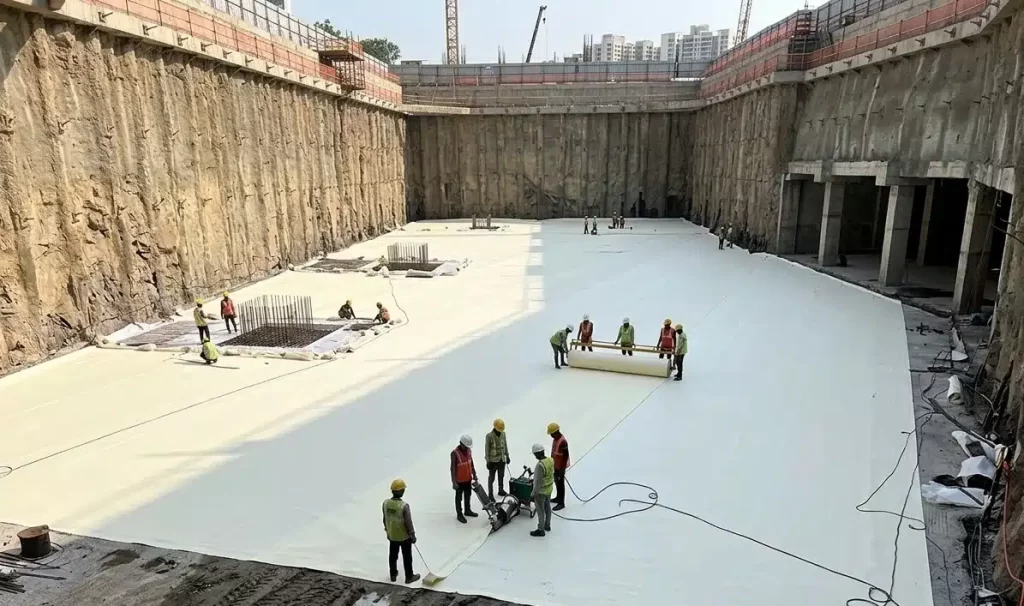
Substrate & Blinding Preparation

The system requires:

  • Sound, regular substrate
  • No voids or protrusions
  • Monolithic concrete blinding preferred

It does not require a completely dry surface, but standing water must be removed.

This offers flexibility during monsoon-driven construction schedules.

Protection Strategy

Protection boards (MultiBOARD / MultiSTICK) or 50mm screed provide mechanical shielding during backfilling.

For high-traffic construction zones (podiums, parking decks), this step is essential to preserve membrane integrity.

Why Decision-Makers Choose HDPE Membrane Systems

Waterproofing failures rarely appear in Year 1. They start showing signs in Year 3-5 when retention periods end.

Life-Cycle Cost Advantage

Although polyethylene membrane systems may carry a higher initial cost than conventional bituminous sheets, they deliver:

  • Reduced long-term remediation
  • Minimal water tracking
  • Superior crack resistance
  • Settlement tolerance

When evaluated on Net Present Cost of Ownership, HDPE membrane solutions outperform short-term alternatives.

Risk Mitigation for Developers

For large mixed-use projects:

  • Basements house electrical rooms, STPs, service corridors
  • Water ingress compromises MEP systems
  • Litigation exposure increases

A fully bonded high-performance membrane, one of the most reliable waterproofing products, physically isolates the structure from moisture and gas.

Infrastructure Case

Suitable across:

  • Basement waterproofing
  • Podiums
  • Parking areas
  • Retaining walls
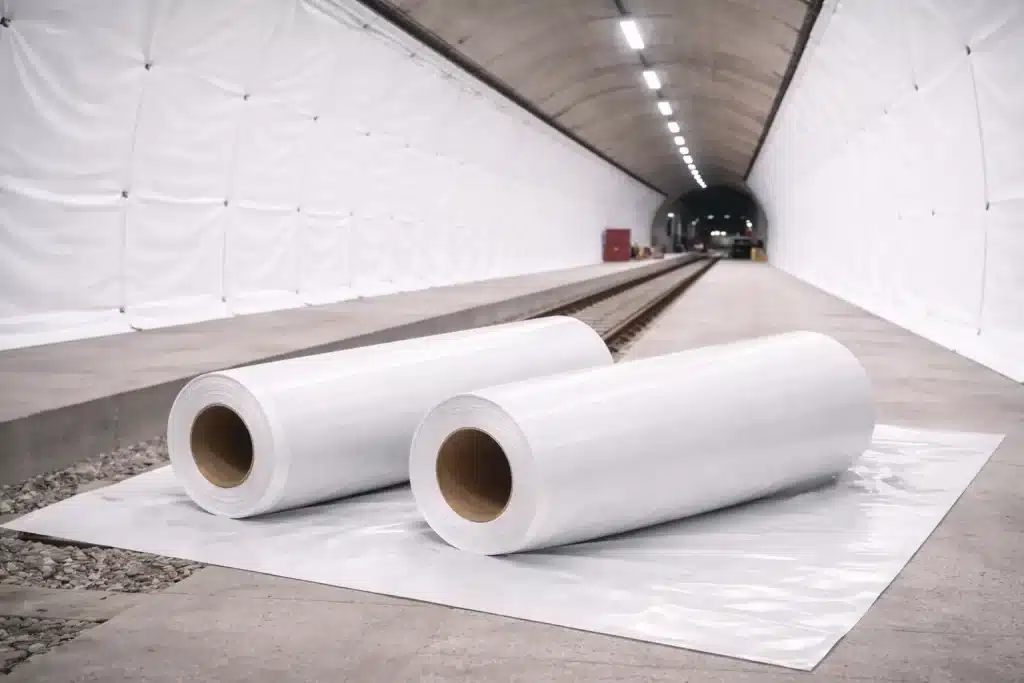
  • Tunnel waterproofing & underpasses
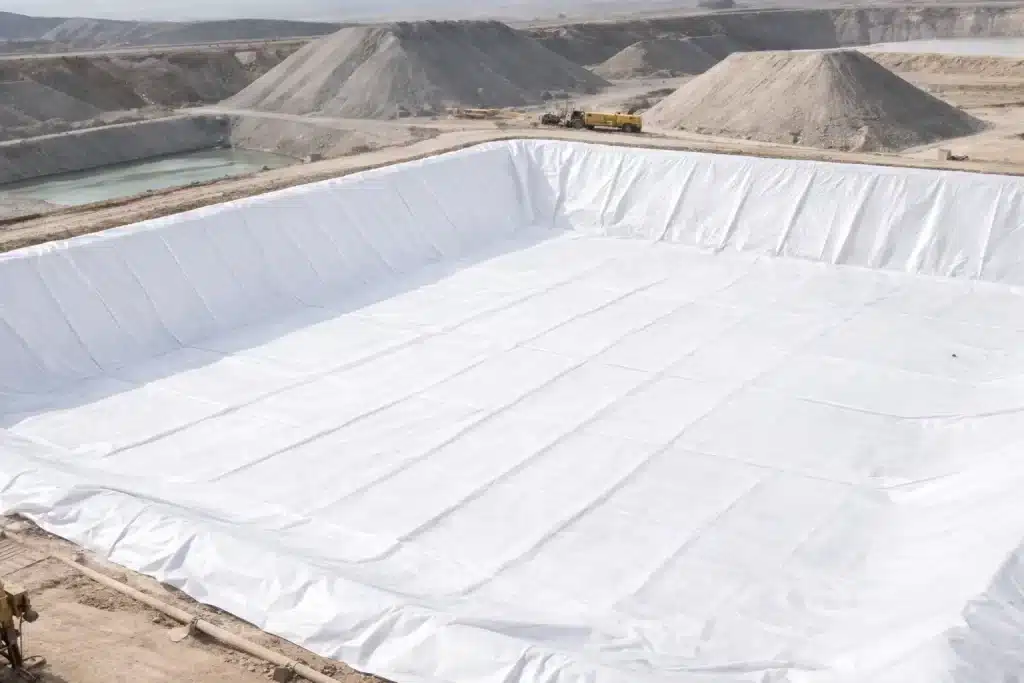
  • Water retaining structures
  • Metro stations
  • Sewage treatment plants

HDPE Membrane Waterproofing Is a Strategic Decision

A system is not just a product it’s a risk-transfer mechanism.

It protects:

  • Structural integrity
  • Financial exposure
  • Operational continuity
  • Brand reputation

Multichem offers advanced waterproofing membrane solutions designed to provide long lasting protection against water ingress, dampness, and aggressive environmental conditions.

1.Multiguard Hydrofab-PE Duel Selvedgeis a thick, high density polyethylene membrane designed for waterproofing and damp proofing applications. It seals effectively to concrete, preventing water ingress and migration around the structure.

2.Multiguard Hydrofab-PE- is a thick, prefabricated membrane with high density polyethylene used for waterproofing basements, tunnels, and flyovers, and for damp-proofing concrete, cement renderings, brickwork, and blockwork. It also protects concrete from freeze–thaw damage, de-icing salts, carbon dioxide, and mild acids and alkalis.

3.Multiguard Hydrofab-PES- A thick, prefabricated high density polyethylene membrane with an aggressive sand finish, pressure sensitive adhesive, and a weather-resistant protective coating. It is chemically resistant and protects structures from salt and sulphate attack in all soil and water conditions.

FAQ:

It is commonly used in basements, tunnels, podiums, parking decks, and water-retaining structures exposed to hydrostatic pressure.

It forms an integral bond with poured concrete, preventing lateral water tracking between the membrane and structure.

Yes, it is engineered to withstand significant hydrostatic pressure, making it ideal for high groundwater conditions.

Yes, its high elongation properties allow it to tolerate minor structural movement and future crack development.

polyethylene membranes are typically available in multiple thicknesses such as 1.2 mm, 1.5 mm, and 1.8 mm depending on project requirements.

Facebook
Twitter
LinkedIn
anti corrosion coating

RustoBlock S: A Versatile Anti-Corrosion Coating for Metal & Concrete

RustoBlock S: A Versatile Anti-Corrosion Coating for Metal & Concrete Despite various developments in technology over the past few years, corrosion continues to pose significant problems for the construction industry. From roofing sheets, steel structures, pipelines, or concrete, exposure to moisture, oxygen, and other chemicals causes deterioration of materials over

Read More »