Polyurethane Waterproofing System: A Practical Solution for Long-Term Protection

Water seepage is one of those problems that most property owners ignore at first. It usually starts with a small damp spot or slight discoloration on the wall and ceiling. But over time, it gets worse paint begins to peel, plaster weakens, and in some cases, the damage goes deeper than expected.

We’ve seen this happen quite often, especially during the monsoon season. What looks like a minor issue in the beginning can turn into a costly repair later. That’s why choosing the right waterproofing system from the start really matters.

These days, polyurethane waterproofing is becoming a preferred option, mainly because it handles these problems more effectively compared to many traditional methods.

polyurethane waterproofing

What is Polyurethane Waterproofing?

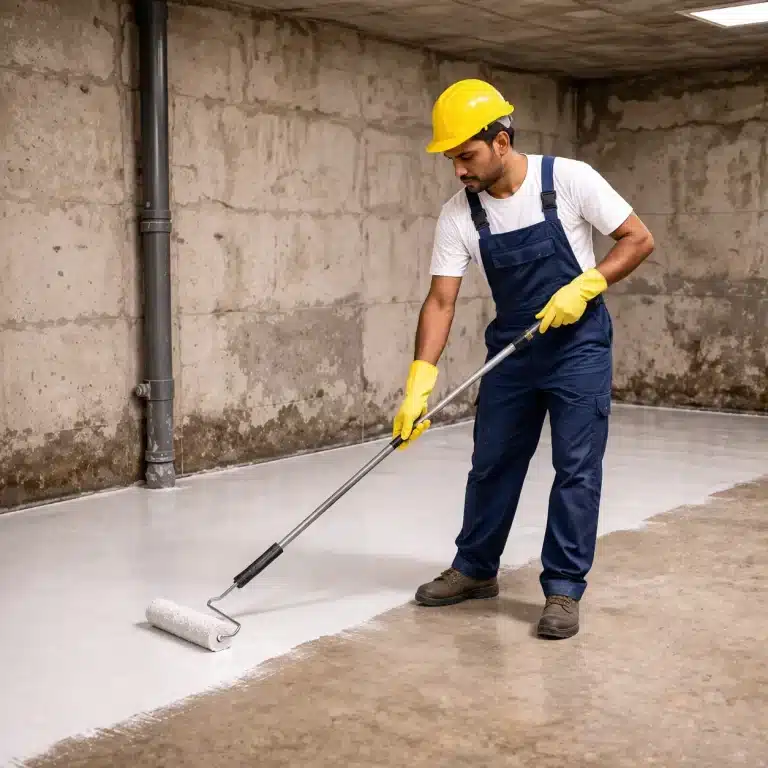
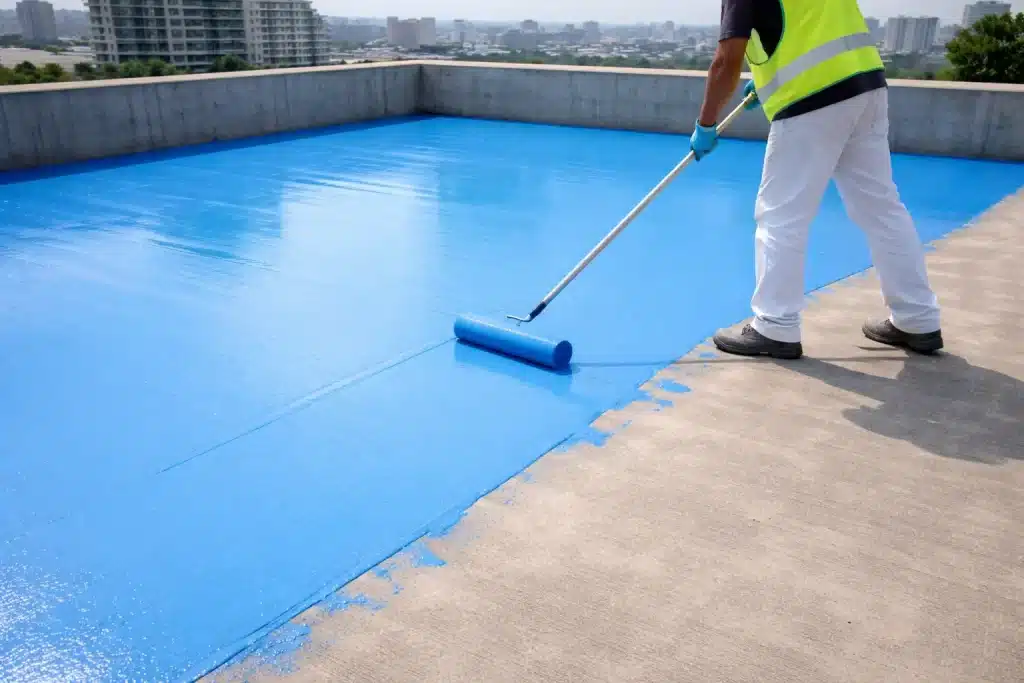
Polyurethane waterproofing is more like a liquid you can applied directly on the surface easily where you need protection. After it dries, it forms a soft, flexible layer that helps keep water out. It’s not something rigid, so it doesn’t just sit on top. It adjusts a bit with the surface.

What really makes a difference is how it behaves during application. it’s in liquid form, it moves around easily and settles into small cracks, joints, and uneven spots. These are usually the areas where leakage begins, so covering them properly actually helps in the long run. These are usually the areas where leakage begins, so covering them properly helps avoid future issues.

Why It Performs Better in Real Conditions ?

From what we’ve observed on-site, flexibility makes a big difference.
Buildings naturally expand and contract due to heat, rain, and temperature changes.

polyurethane, however, remains flexible even after curing. Instead of cracking, it adjusts with the surface, which reduces the chances of water finding its way in.

Another main factor is adhesion. It bonds well with common construction materials like concrete and metal. Because of this strong grip, the coating doesn’t come off easily even in heavy rain or continuous exposure to sunlight.

This is one of the reasons it works well not only for new construction projects but also for repairing old surfaces that already have leakage issues.

Key Benefits

One good thing about Polyurethane Waterproofing is that it forms a seamless layer. There are no joints, so the chances of leakage are much less.

It is also durable. Once applied properly, it can handle sun, rain, and regular wear without needing frequent repairs.

Its flexible nature helps it manage small movements in the structure without cracking.

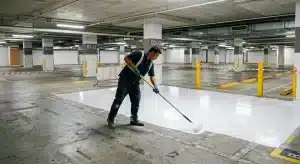
Application is also not very complicated. Depending on the area, it can be applied using a roller, brush, or even spray.

And after application, maintenance is usually minimal if the work is done correctly.

Where It Is Commonly Used ?

Polyurethane Waterproofing can be used in different parts of a building, which makes it quite useful in practice. Some common areas include:

  • Terraces and rooftops
  • Balconies
  • Bathrooms and kitchen areas
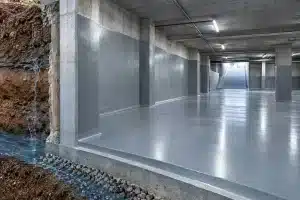
  • Basements
  • Water tanks and similar structures

Because it works on different surfaces, it suits both residential homes and commercial buildings.

Why Polyurethane Waterproofing Is Ideal for High Performance Structures ?

In today’s construction, it’s not just about building strong structures it’s about making sure they last. Water damage is one of the most common problems, and once it starts, it can be difficult and expensive to fix. That’s why many builders now depend on Polyurethane Waterproofing for long term protection.

One of the reasons it performs so well comes down to how it’s applied. A Polyurethane Waterproofing system is used in liquid form, so it spreads easily over the surface without much effort. It naturally seeps into tiny cracks, joints, and uneven spots areas that are usually hard to cover properly with other materials. Once it dries, it forms a smooth, continuous layer without any gaps where water could seep through.

Flexibility is another big advantage. Buildings are always moving slightly due to heat, weather changes, and general wear. Some waterproofing materials become hard and start to crack over time, but polyurethane stays flexible. This way, the surface remains protected even with slight movement over time. It also holds up well in different weather conditions. It handles tough weather without much trouble be it heavy rain, harsh sunlight, or constant humidity. That’s why it works especially well on terraces, roofs, and other areas that stay exposed year round.

Polyurethane coating can work both new and old construction that’s the main benefit. It is cost- effective and durable. It also bonds well with common materials like concrete and metal, which adds to its usefulness on different types of projects.

Things to Check Before Application

Polyurethane Waterproofing System

For good results, surface preparation is very important. Before starting, just make sure the surface is properly clean and dry. Any dust or loose material should be clean, otherwise the coating won’t hold well. And if you notice cracks or damaged spots, it’s better to sort those out first doing the coating over them usually doesn’t help much. Otherwise, the problem can come back later. Also, while applying the coating, thickness matters. Not too thin, not too thick. And it does need proper time to dry rushing it usually doesn’t end well. Small things like this may seem minor, but they can affect how the final result turns out.

Also, it is advised to see the product pot life (for two component system) and operating temperature.
Hence, mix the quantity that can be applied within the pot life of material.

Conclusion

It’s not just a layer that sits on top and stays the same. Over time, it moves a little with the surface, which helps in reducing cracks and that recurring leakage problem people often face. Of course, the way it’s applied matters, and so does the quality of the material. If both are taken care of, it usually holds up well for years without much issue.

You’ll also find that companies like Multichem have different types of polyurethane waterproofing products, depending on where and how you want to use them. Picking the right one for the job does make a difference in how well it performs later.

FlexiThane AR130is a high solids coating which give a high-build film.It has seamless membrane and good adhesion. The thickness of the film 500 µm to 2mm coats depending on condition of substrate.

FlexiThane AR300 FlexiThane AR300 is a single-component coating based on urethane polymer technology. It forms a durable membrane with a high film thickness of at least 1 mm. The product is ready to use and can be easily applied using a brush, spray, or roller.

FlexiThane AR145is a single-component, liquid-applied polyurethane coating. Its high-solids formulation delivers a thick, durable build and remains stable across temperature variations.

UltraRoof Superflex Plus It is a water-based, single-component polyurethane coating suitable for both interior and exterior surfaces. Specially formulated for waterproofing and damp-proofing, it is ideal for concrete roofs, terrace gardens, and podium areas.

UltraRoof Superflex Plus B121A water based polyurethane bitumen coating designed for waterproofing interior and exterior surfaces. It uses advanced polymer technology and offers excellent solvent resistance.

Multichem’s also offers 2K polyurethane coating is built to deliver dependable performance where it matters most. Well-suited for tough conditions, it offers a practical solution for projects that need lasting protection and reliable results over time.

Aquasmart PUis a high-quality polyurethane based waterproofing coating. Highly reflective, thermal insulating, permanently flexible, waterproofing membrane, remaining impervious to mass water penetration from the exterior.

Hydrothane 1050 This high solid, liquid applied, two component elastomeric waterproofing membrane bonds well to a wide range of substrates. It stays flexible, resisting cracking at low temperatures and maintaining stability at higher temperatures.

HydroThane 0230The elastomeric membrane is designed to bond with a wide range of substrates. For effective performance, the surface must be structurally sound and properly prepared before application.

Hydrothane 0350- The elastomeric membrane is formulated to adhere to a wide range of substrates. It incorporates leafing pigments for added reinforcement and can be applied by brush, spray, or trowel.

HydroThane 1016- Elastomeric membrane is a liquid applied 2 component to give a continuous film, which is rubbery and elastic. It’s a 100% solids coating designed to give a high build film. Before applying, surfaces previously treated with silicone based materials will be difficult to overcoat.

Hydrothane 0650The elastomeric membrane is a liquid applied, two component system that forms a continuous, rubber like, flexible film. Surfaces previously treated with silicone-based materials may be difficult to overcoat.

Hydrothane Tankgard SG is a 100% solids coating designed to achieve a high-build film. It can be applied by brush, airless spray, or trowel. Proper surface stability and preparation are essential before application.

Hydrothane Tankgard FG is a 100% solids, two component polyurethane elastomeric coating applied as a liquid membrane. It helps seal minor pores and imperfections when applied directly to the substrate.

Multithane Expo A liquid applied, two component aliphatic coating used as a UV resistant topcoat for roofs and decks with foot traffic. It forms a waterproof layer and helps close small pores and surface imperfection.

FAQ

Polyurethane waterproofing creates a waterproof layer that is seamless and does not have joints which provides a tough barrier against water. It can easily cope with the structural stress, movement and harsh environmental conditions.

It forms a strong protective coating that prevents entry of water, prevents exposure to chemicals and reduces surface damage.

Yes, that is one of its greatest strengths. It can be extended andretracted as the building becomes bigger or smaller, and this prevents cracksand is always protective.

Absolutely. Polyurethane coating withstands the force of a sudden temperature shock, heavy downpour and blistering temperatures. They are strong and adhesive and can provide the same performance under any circumstances.

Being a liquid, it readily penetrates joints, corners, and other irregular surfaces. This property guarantees thorough coverage, eliminating the gaps that often plague conventional methods.

Facebook
Twitter
LinkedIn
polyurea waterproofing

Industrial Waterproofing Systems: Complete Guide to Waterproofing Products for long term performance

Industrial Waterproofing Systems: Complete Guide to Waterproofing Products for long term performance Imagine investing millions into an industrial facility only to see cracks, leaks, and corrosion appear within a few years. The culprit here is Inadequate waterproofing. In high-performance environments, the right waterproofing solutions can make the difference between durability

Read More »